From a line on paper to the concert hall.
Ideas become sketches. Sketches become prototypes. Prototypes become questions. Concerts provide the answers.
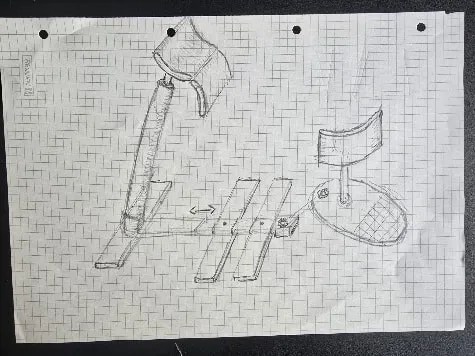
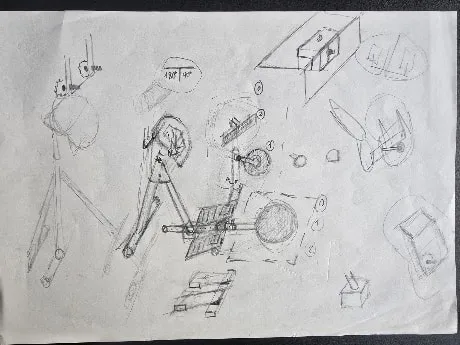
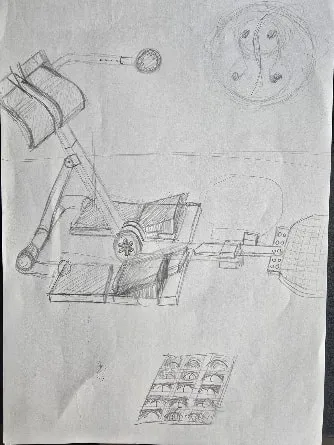
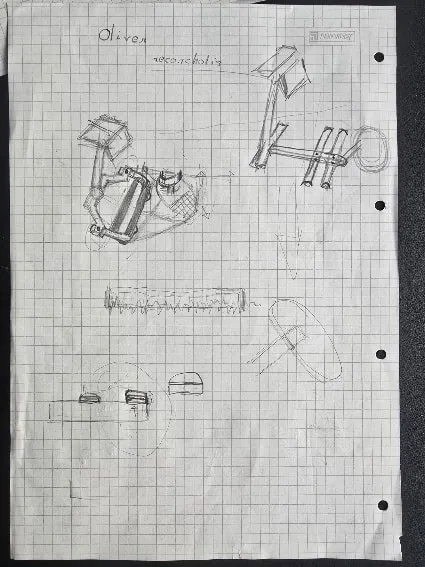
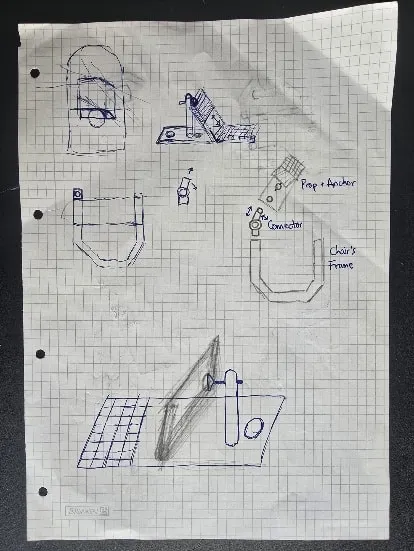
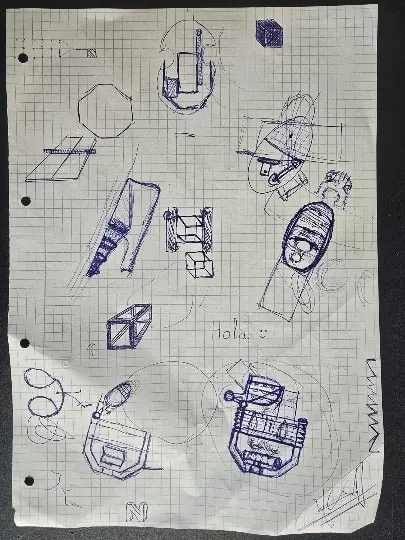
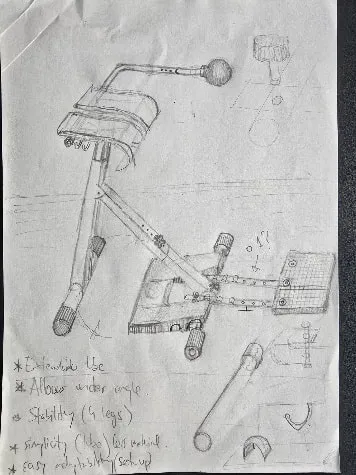
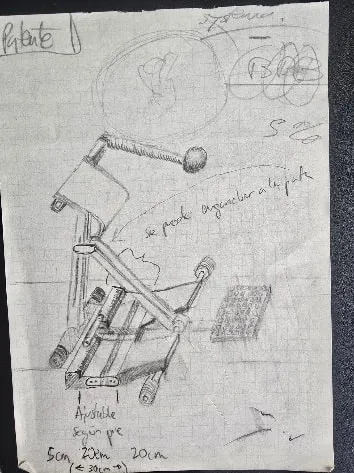
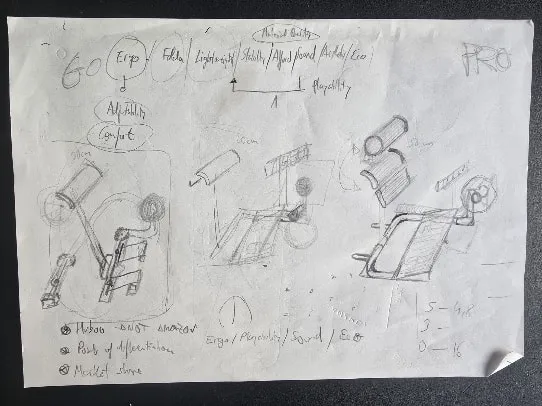
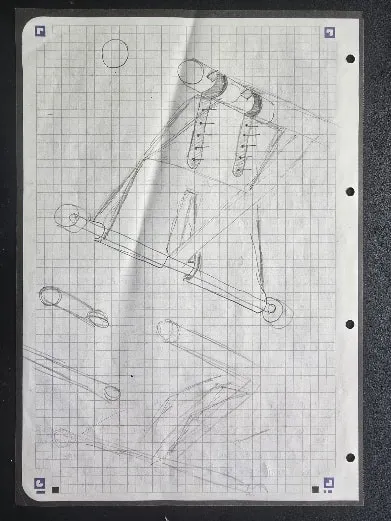
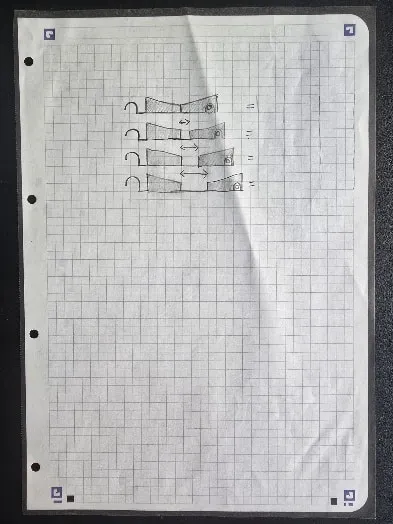
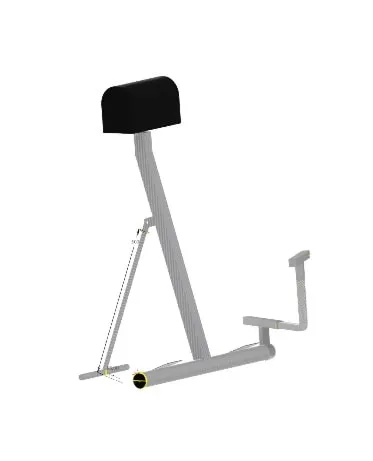
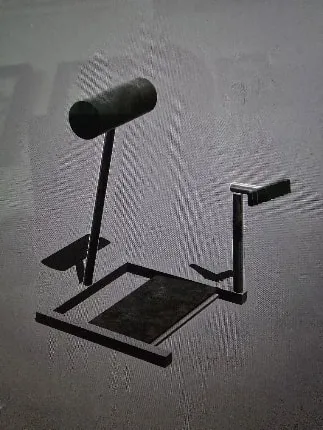
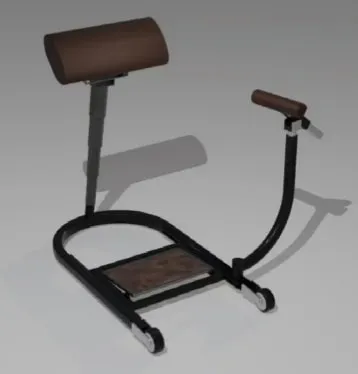
Hundreds of drawings, one question.
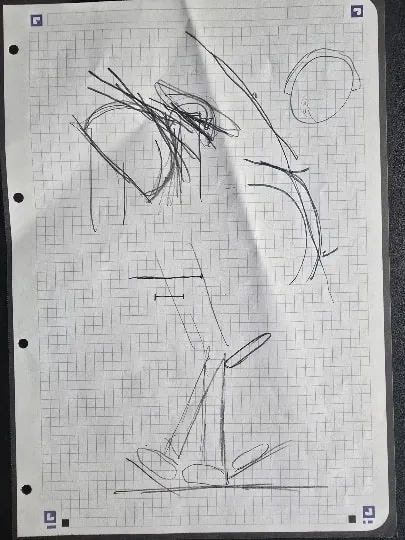
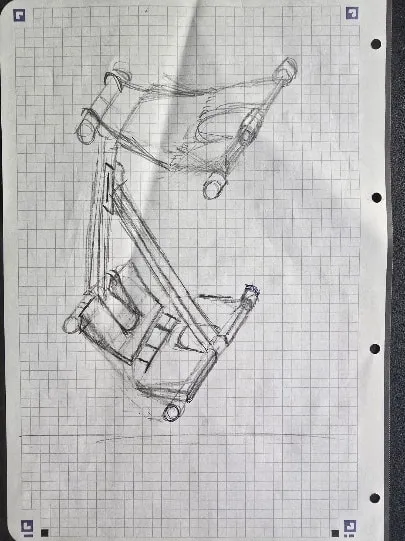
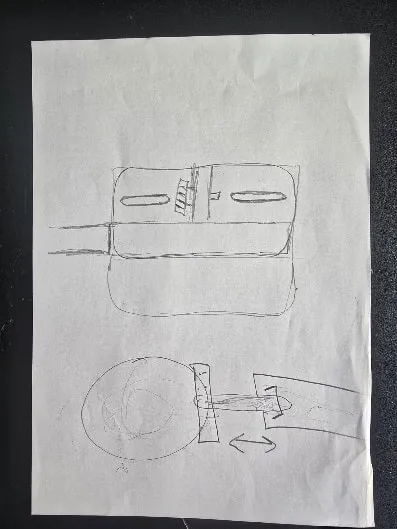
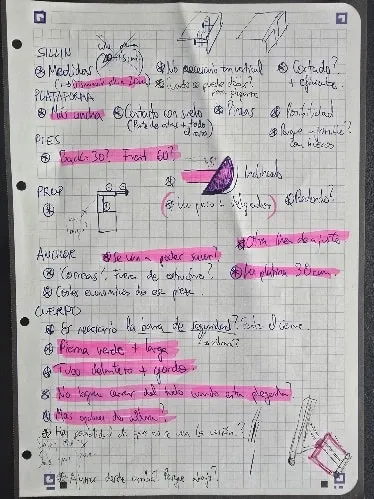
Long before Trinity existed as a physical object, it existed as a problem that refused to leave my mind. For years, I filled notebooks, loose sheets of paper and digital files with ideas.
Some sketches were naive. Some were impossible. Some taught me exactly what not to do. Together, they formed a visual record of the search itself.
Looking back, Trinity was not born from a single breakthrough, but from hundreds of small attempts to understand the relationship between the musician, the instrument and the system that connects them. These sketches represent years of curiosity, frustration, discovery and persistence.
Every prototype begins as a line on a piece of paper. And Trinity began with hundreds of them.
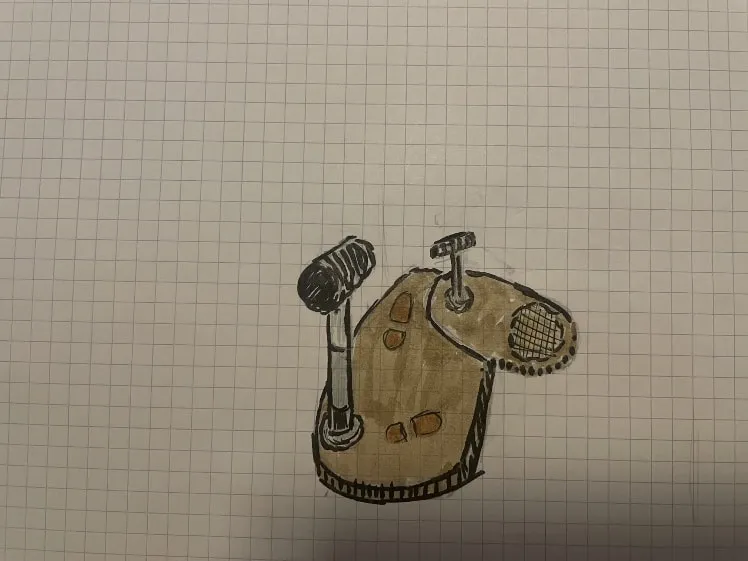
The first prototype was terrible.
Built with whatever materials were available at the time, it was unstable, uncomfortable and poorly constructed, far from the solution I had imagined.
I will never forget the first opera performance in which I used it. It was a live production, and throughout the entire performance I was worrying about the prototype instead of focusing on the music. By the end of the evening, I discovered that it had scratched the back of my own double bass.
At the time, that felt devastating. The system was unstable, unreliable and had damaged the very instrument I was trying to protect. Looking back, however, it became one of the most important lessons of the entire journey.
Every flaw revealed something new about the relationship between the musician, the instrument and the playing environment. What initially felt like failure became valuable information.
Over the following years, each prototype addressed a specific problem uncovered by the previous one. Some improved stability. Others improved freedom of movement. Others refined the relationship between the musician and the instrument. Little by little, the system evolved from a homemade experiment into a coherent ergonomic concept.
Not a sequence of successful designs, but a process of continuous learning, testing and refinement.
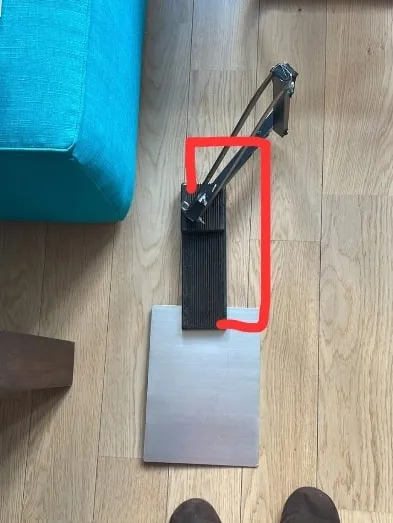
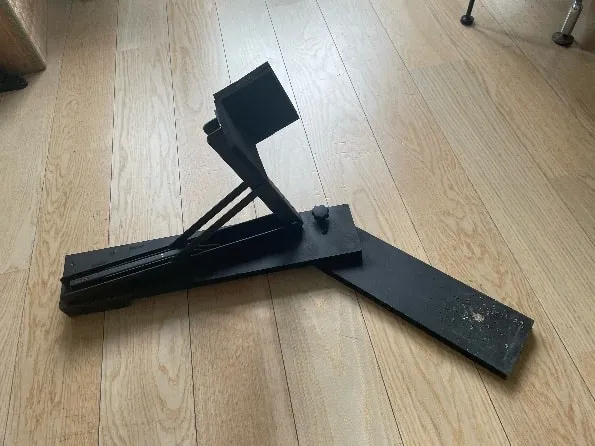
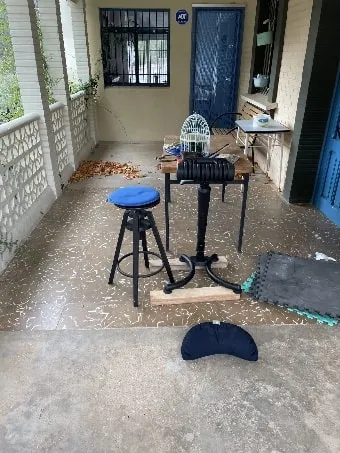
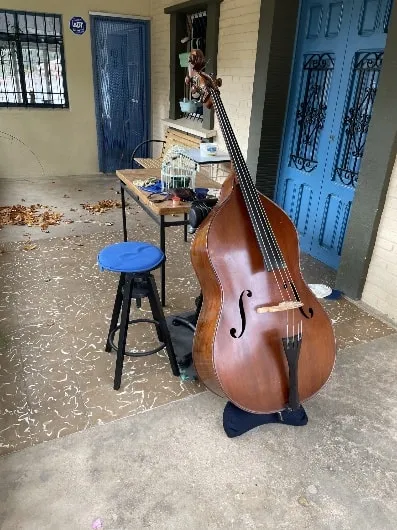
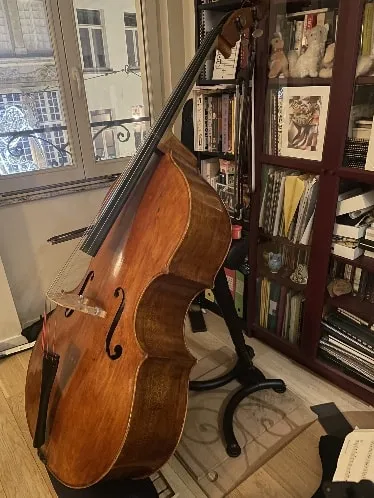
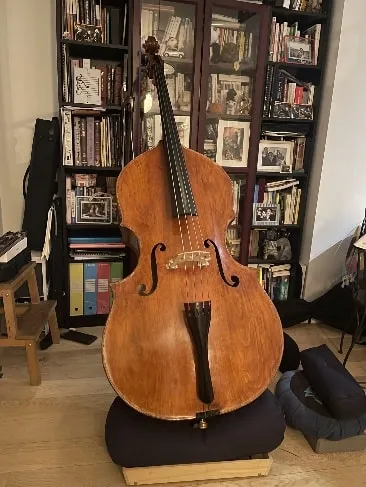
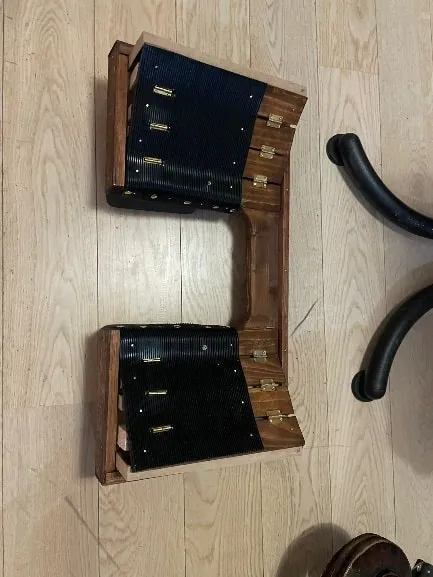
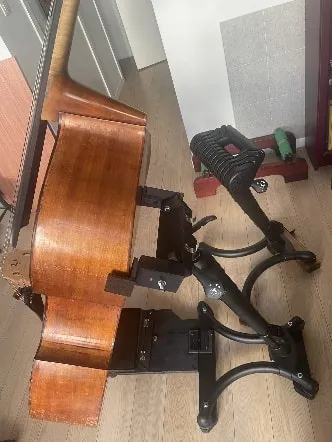
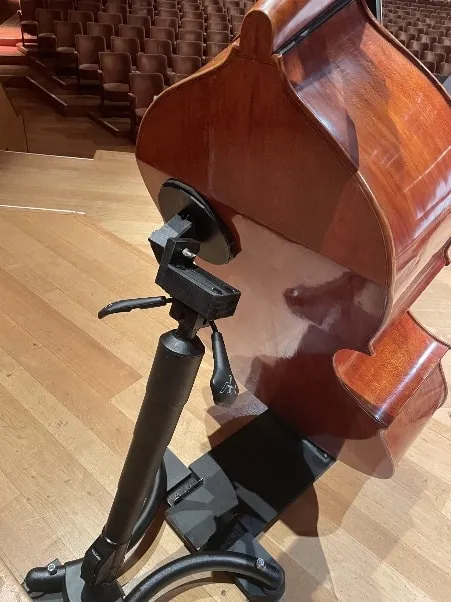
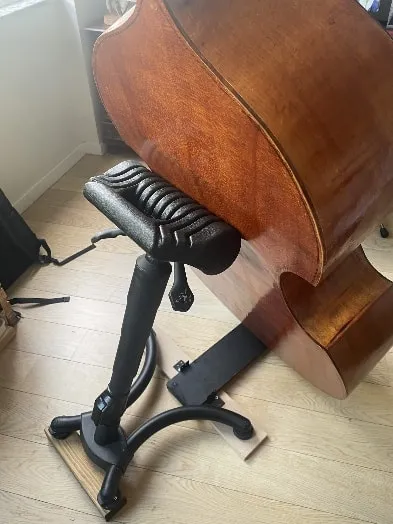
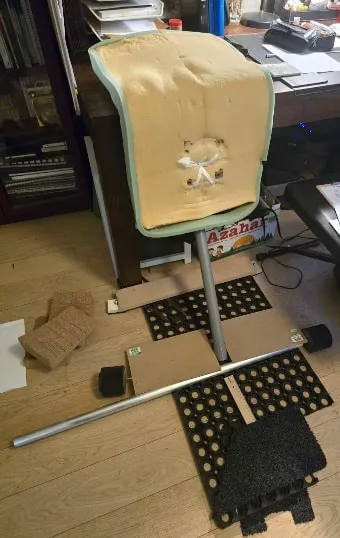
Building Trinity.
Innovation rarely happens overnight. The development of Trinity has been an iterative process involving hundreds of observations, design decisions, adjustments and tests.
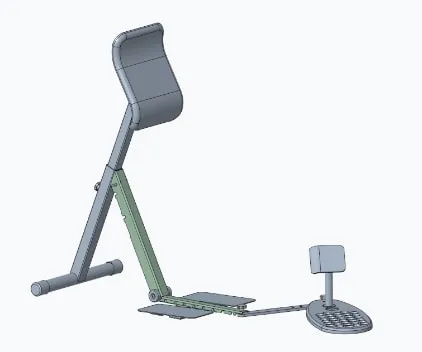
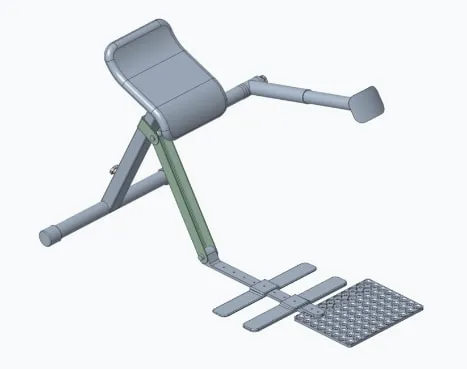
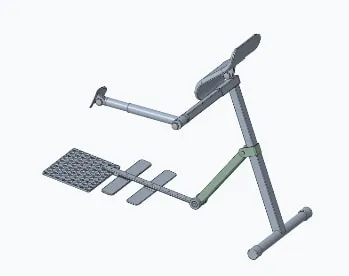
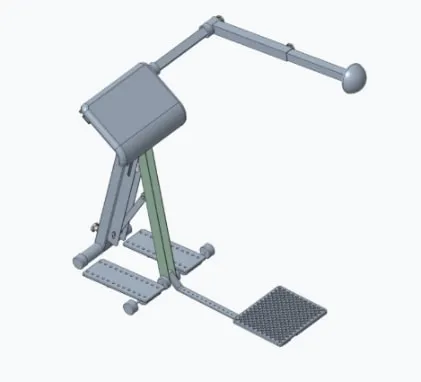
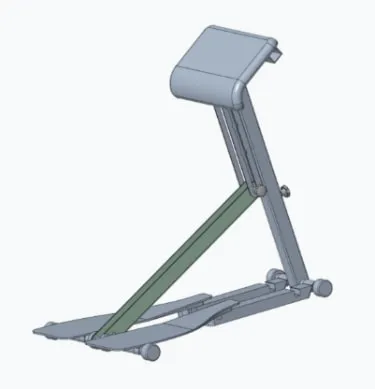
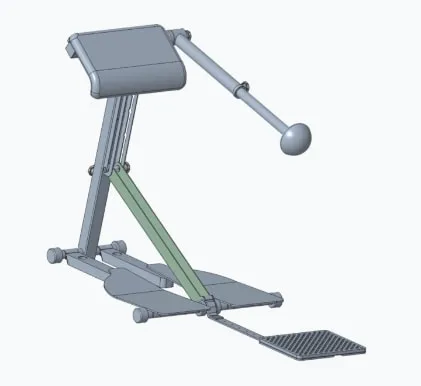
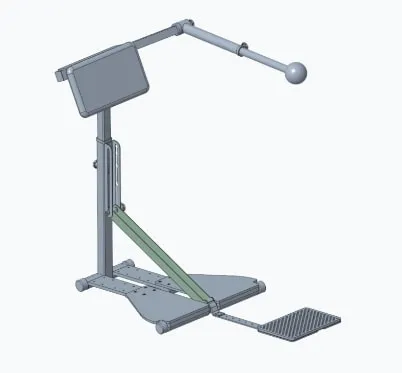
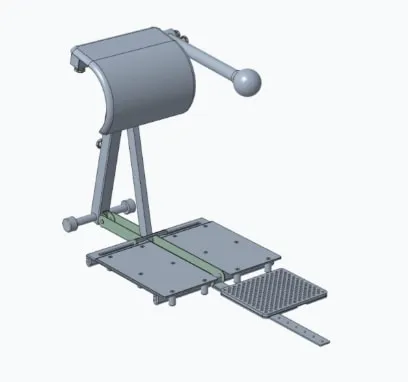
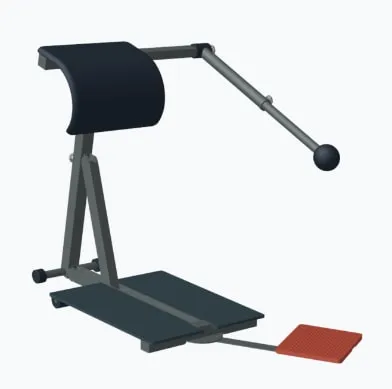
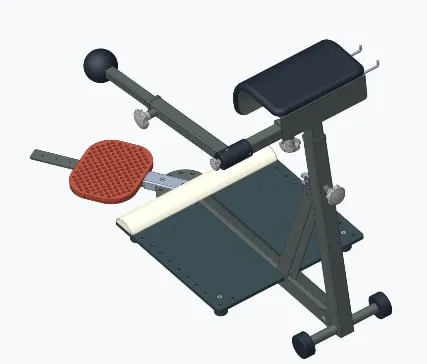
From the first homemade prototype to the latest working models, every version helped validate or challenge an idea, revealing what worked, what didn’t and what needed to be improved. These images document the progressive transformation of a concept into a professional system.
Hundreds of sketches. Dozens of concepts. Years of iteration. One mission.
Tested where music happens.
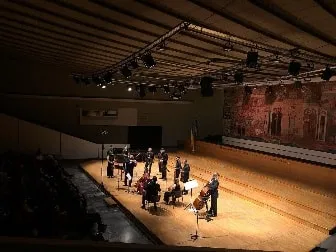
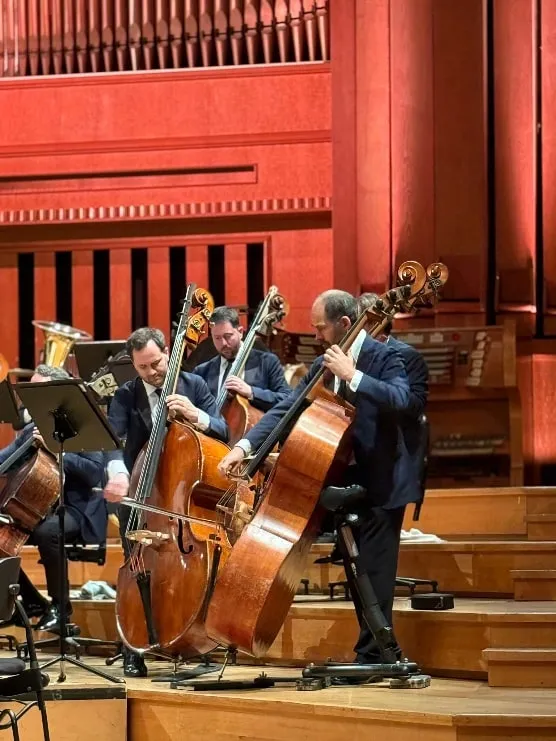
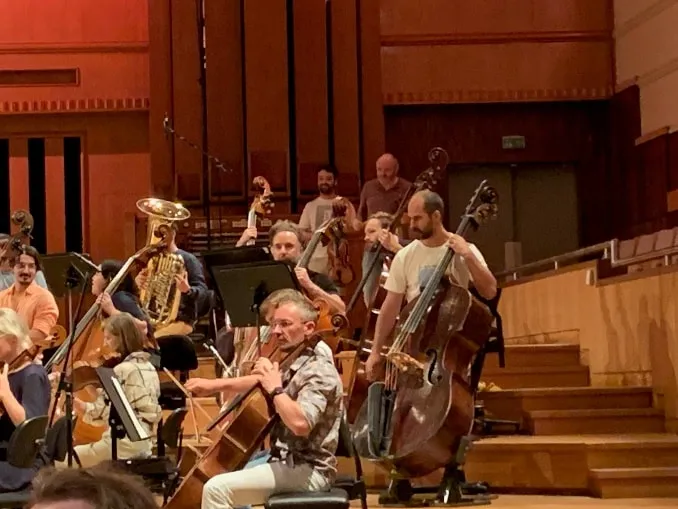
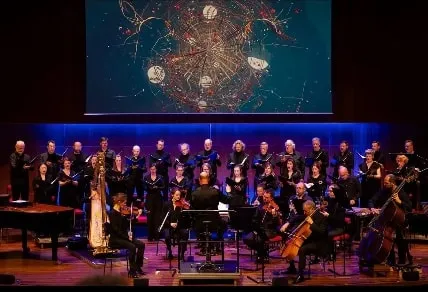
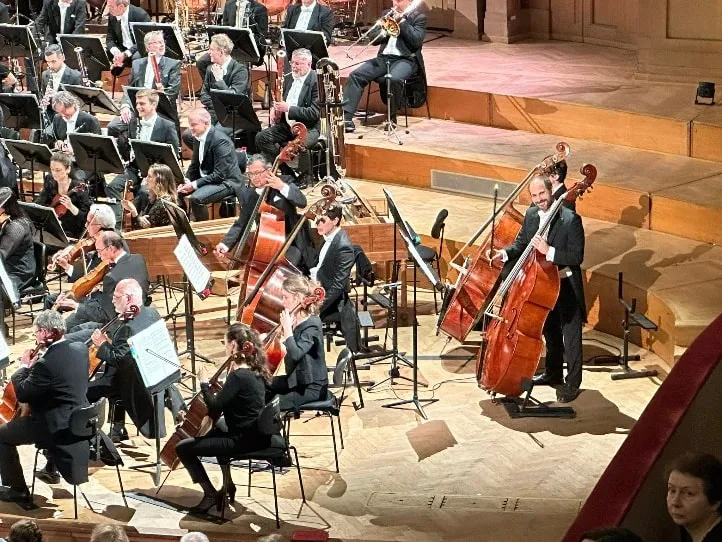
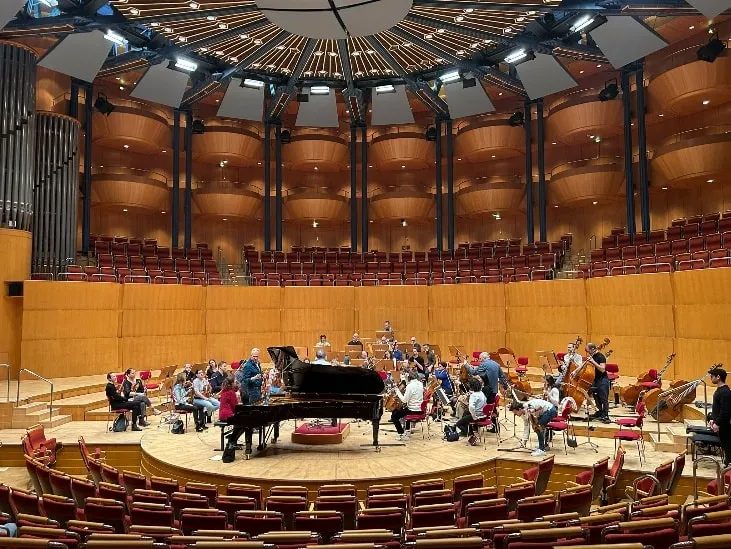
Trinity was never designed behind a desk alone. Every major stage of its development was tested in the places where musicians spend their lives: rehearsal rooms, orchestra pits, concert halls and performance venues.
These were not controlled demonstrations. They were real rehearsals, real concerts, real professional conditions. Each prototype faced the same demands, pressures and challenges that working double bass players face every day. Some solutions survived. Others disappeared. Every performance revealed something new.
These photographs capture moments from that journey: an idea gradually shaped by experience, criticism, experimentation and thousands of hours of practical use. Because the ultimate test of any musical tool is simple:
Does it help musicians make music more freely?